
From intricate carvings to sustainable alternatives, Halloween lanterns offer a captivating blend of artistry and tradition. This guide explores the multifaceted world of Halloween lanterns, delving into their history, crafting techniques, and design possibilities. This comprehensive exploration provides a practical framework for creating unique and memorable lantern displays, from simple jack-o’-lanterns to elaborate thematic installations.
Understanding the diverse materials, shapes, and styles available is key to creating a Halloween lantern that resonates with your personal preferences and aesthetic. This guide will empower you to explore the possibilities and bring your vision to life, whether you’re a seasoned crafter or a beginner eager to learn new techniques.
Types of Halloween Lanterns
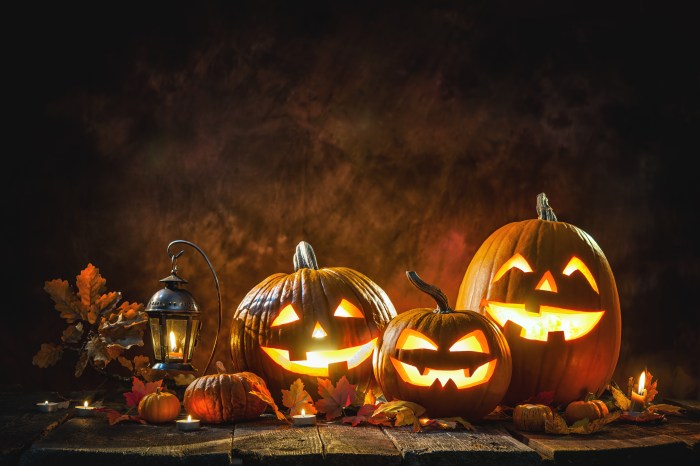
Halloween lanterns, a quintessential symbol of the spooky season, transcend mere decorations. Their evolution reflects cultural traditions, artistic expression, and the ever-evolving spirit of Halloween itself. From humble beginnings to intricate modern interpretations, lanterns offer a glimpse into the diverse ways cultures celebrate this unique holiday.The myriad forms of Halloween lanterns are a testament to the holiday’s global appeal.
Different cultures, with their unique artistic sensibilities and materials at hand, have shaped their own lantern-making traditions. This diverse array of lanterns showcases not only the creativity of individuals but also the enduring spirit of Halloween.
Materials and Construction
The selection of materials for Halloween lanterns directly influences their aesthetic appeal and longevity. The choice between readily available materials like paper and plastic, or more durable options like glass and carved pumpkins, impacts the lantern’s lifespan and visual impact. Paper lanterns, often lightweight and easily customizable, lend themselves to intricate designs. Plastic lanterns, sometimes pre-formed or assembled, provide a practical and affordable option.
Glass lanterns, often intricate or featuring decorative designs, offer a more durable and aesthetically rich option, especially when incorporating the craftsmanship of glass-blowing techniques. Carved pumpkins, a quintessential Halloween symbol, are imbued with a unique charm and connection to the harvest season, adding a rustic aesthetic.
Shapes and Styles
Halloween lantern designs are as varied as the imagination of the crafters. The traditional jack-o’-lantern, with its carved features, stands as a classic representation of the holiday. Intricate designs, incorporating intricate carvings or painted embellishments, often depict fantastical creatures, characters, or symbolic patterns. Modern interpretations, drawing inspiration from contemporary art or popular culture, push the boundaries of lantern aesthetics, creating striking and visually engaging displays.
Cultural Variations
The cultural significance of Halloween lanterns is deeply rooted in diverse traditions. While the jack-o’-lantern is iconic in the West, other cultures possess their own distinct lantern traditions. Japanese Obon lanterns, for example, are used to guide the spirits of the deceased back to their homes. In other parts of the world, lantern displays are integral to harvest festivals or other seasonal celebrations.
These variations highlight the diverse ways cultures commemorate the changing of seasons and the spirit of the afterlife.
| Material | Shape | Style | Cultural Origin |
|---|---|---|---|
| Carved Pumpkins | Round, Oval, or Shaped | Traditional Jack-o’-Lanterns, Intricate Designs | Western (primarily North America) |
| Paper | Various (Geometric, Animal, etc.) | Simple to Elaborate | Global (including Asia, Latin America) |
| Plastic | Pre-formed or Customizable | Simple to Decorative | Global (widely available) |
| Glass | Various (Round, Cylindrical, etc.) | Intricate, Decorative | Global (various glass-making traditions) |
History and Evolution of Halloween Lanterns
The flickering light of a Halloween lantern, casting eerie shadows on the night, is a quintessential symbol of the holiday. More than just a decorative element, these lanterns hold a rich history, reflecting evolving cultural practices and beliefs. Their transformation from simple carvings to intricate works of art speaks volumes about societal shifts and the enduring appeal of the spooky season.The tradition of Halloween lanterns, rooted in ancient Celtic rituals, has undergone significant evolution.
Initially conceived as a way to ward off spirits, the symbolism gradually shifted, incorporating elements of folklore and popular culture. The development of increasingly elaborate designs showcases the growing importance of the holiday and the creativity of those who craft these symbolic objects.
Early Celtic Roots
The earliest forms of Halloween lanterns emerged from the Celtic festival of Samhain, a harvest festival marking the end of summer and the beginning of winter. Celts believed that the boundary between the worlds of the living and the dead blurred on this night, and they lit bonfires and carved faces into turnips or gourds to ward off evil spirits and guide lost souls.
These early lanterns were not primarily decorative but served a practical purpose in a time before electricity.
The Evolution of Jack-o’-Lanterns
The transition from turnips to pumpkins and the emergence of the iconic Jack-o’-lantern is a fascinating example of cultural exchange and adaptation. Irish immigrants brought the tradition of carving faces into root vegetables to the Americas, where pumpkins, readily available and larger, became the preferred material. The image of a grotesque face, often with exaggerated features, reflects the early belief in frightening away unwelcome spirits.
The practice of carving faces into pumpkins, a symbol of the harvest, further solidified the lantern’s role as a Halloween staple.
Progression to Intricate Designs
As Halloween gained popularity, the designs of lanterns became increasingly intricate and decorative. The initial focus on simple scaring transformed into a display of artistry and creativity. From basic carvings to elaborate sculptures, the ingenuity of lantern-makers expanded, reflecting the growing appreciation for the holiday’s artistic potential.
Modern Lantern-Making Techniques
Modern lantern-making techniques embrace a variety of materials and styles. Beyond traditional carving, artists use paints, LEDs, and even 3D printing to create stunning and innovative designs. These modern innovations allow for a wider range of creativity and expression, appealing to a broader audience.
Chronological Overview
| Time Period | Style | Materials | Cultural Influence |
|---|---|---|---|
| Pre-1800s (Celtic) | Simple carvings | Turnips, gourds | Ward off spirits, guide lost souls |
| Late 1800s (Irish Immigration) | Jack-o’-lanterns | Pumpkins | Folklore, adaptation to available materials |
| Early 1900s – Mid 1900s | More elaborate carvings | Pumpkins, gourds, other vegetables | Growing popularity of Halloween |
| Late 1900s – Present | Intricate designs, use of modern materials | Pumpkins, gourds, other vegetables, metal, plastic, LED lights | Creativity, artistry, modern technology |
Crafting and Making Halloween Lanterns
Transforming ordinary materials into spooky spectacles, Halloween lanterns offer a unique blend of artistry and tradition. From the classic pumpkin to intricate paper or glass creations, the process of crafting these lanterns is a journey through creativity and imagination. These lanterns, embodying the spirit of Halloween, are often personal expressions of the maker’s aesthetic.Crafting Halloween lanterns provides a tangible connection to the holiday’s spirit, offering a chance to engage with the creative process and share the resulting decorations with others.
The techniques vary widely, from the straightforward act of carving a pumpkin to the more elaborate process of constructing glass or paper lanterns. The materials used and the steps followed dictate the final product’s appearance and complexity.
Pumpkin Carving
Pumpkin carving, a quintessential Halloween tradition, combines artistry with a touch of the macabre. The process often involves selecting a sturdy, well-formed pumpkin, ensuring its durability throughout the carving process.
A firm, even-textured pumpkin will yield the best results.
- Selection: Choose a pumpkin that is free of major blemishes and large, hard-to-remove imperfections. Size should accommodate the desired design.
- Preparation: Use a sharp, pointed knife or carving tool. Prepare a flat working surface to prevent pumpkin rolling.
- Design: Sketch the desired design on paper to ensure accuracy and efficiency in carving.
- Carving: Carefully follow the design, carving out the details with precision. Use a small spoon to clean out the seeds and pulp, creating an even cavity. Avoid creating deep cuts that may weaken the pumpkin.
- Finishing: Apply a thin layer of non-toxic sealant to the carved pumpkin. This will help prevent the pumpkin from drying out too quickly, extending its lifespan.
Paper Lanterns
Paper lanterns, a visually striking alternative, lend a lighthearted, whimsical touch to the Halloween aesthetic. They are remarkably versatile, capable of being personalized with intricate patterns or simple, bold designs.
- Material Selection: Choose thick paper, like construction paper or cardstock, for durability. Lightweight materials may tear easily during construction.
- Pattern Creation: Design your lantern’s shape and patterns using templates or freehand drawing. Use stencils for more intricate patterns.
- Cutting and Folding: Cut out the designed shapes accurately. Carefully fold the paper according to the pattern. Use tape or glue to secure the folds and maintain the structure.
- Assembly: Connect the folded sections together to form the lantern’s structure. Use strong adhesive for secure joints.
- Decoration: Add details using paints, markers, glitter, or other decorative elements to personalize the lantern.
Glass Lanterns
Intricate glass lanterns, a testament to meticulous craftsmanship, offer a unique, high-end touch to Halloween decorations. They often require more specialized tools and techniques compared to pumpkin or paper lanterns.
- Glass Selection: Choose a glass lantern with appropriate dimensions and design that can accommodate the desired Halloween theme.
- Preparation: Inspect the glass lantern for any damage. Use a fine-grit sandpaper to smooth rough edges if necessary. Avoid using harsh chemicals.
- Design Application: Use stencils, paint, or decals to add intricate designs to the lantern. Consider using stencils for repeatable patterns. Allow each layer of paint to dry before applying another.
- Finishing Touches: Apply sealant if desired to protect the design and the glass lantern’s integrity. Consider incorporating LED lights for enhanced illumination.
Materials and Tools for Lantern Making
Crafting captivating Halloween lanterns requires a meticulous approach, from selecting the right materials to mastering the precise tools. This meticulous process ensures the final product not only reflects the spirit of Halloween but also the dedication of the craftsman. The selection of materials and tools significantly impacts the outcome, influencing both the aesthetics and structural integrity of the lantern.The materials and tools used in lantern making vary widely depending on the design and complexity of the project.
Safety precautions are paramount during the entire process, ensuring a safe and enjoyable crafting experience. The appropriate use of tools and materials contributes significantly to the overall success of the lantern project.
Common Materials
Careful material selection is crucial for creating a durable and aesthetically pleasing Halloween lantern. Natural materials like wood, pumpkins, and gourds are traditional choices, offering unique textures and natural patterns. Recycled materials, like cardboard boxes or plastic containers, can provide cost-effective alternatives, fostering a sense of environmental responsibility. Additionally, innovative materials such as glass or metal add an extra layer of creativity and sophistication to the project.
Carving Tools
The selection of carving tools directly impacts the precision and quality of the lantern’s design. For intricate carving, specialized tools such as gouges, chisels, and knives are essential. The selection of tools is critical for precise cutting and shaping. Safety precautions should always be prioritized when using sharp tools, ensuring proper handling techniques and appropriate protective gear.
Painting and Decorating
Once the lantern’s form is established, painting and decorating bring the design to life. A variety of paints, including acrylics, watercolors, or even spray paints, can be employed, depending on the desired effect. Decorative elements like glitter, sequins, or fabric scraps can further personalize the lantern. The choice of paints and decorations should align with the overall aesthetic of the project, reflecting the desired outcome.
Safety Considerations
Safety should be paramount throughout the entire lantern-making process. Sharp tools, such as knives and chisels, require careful handling and should always be used with caution. Protective gear, such as gloves and eye protection, is essential to prevent accidental injuries. When using paints or other materials, follow the manufacturer’s instructions carefully to avoid potential health risks. Proper ventilation is crucial to ensure a safe workspace.
Comprehensive List of Materials and Tools
| Category | Material/Tool | Description |
|---|---|---|
| Carving | Pumpkin/Gourd | Natural material for carving |
| Wood | Durable material for various lantern types | |
| Carving Knife | Essential for intricate carving | |
| Gouges | For detailed shaping | |
| Chisels | For creating larger cuts and designs | |
| Painting & Decorating | Acrylic Paints | Wide range of colors and finishes |
| Watercolors | Adds translucent effects | |
| Glitter | Adds sparkle and shine | |
| Sequins | Adds a decorative touch | |
| Safety | Gloves | Protect hands from sharp tools |
| Eye Protection | Essential to prevent eye injuries |
Safety Precautions for Lantern Making
Crafting Halloween lanterns can be a rewarding experience, but safety must always be paramount. Proper precautions mitigate risks associated with fire hazards, sharp objects, and potentially harmful materials. This section Artikels essential safety measures to ensure a safe and enjoyable crafting session.
Fire Safety Measures
Creating lanterns often involves the use of heat sources, flame, or flammable materials. Careful attention to fire safety protocols is crucial to prevent accidents. Ensure adequate ventilation in the crafting area to prevent the buildup of flammable vapors. Never leave a heat source unattended, and maintain a safe distance from any open flames. Always use fire-resistant surfaces and keep flammable materials away from heat sources.
Have a working fire extinguisher readily available and know how to use it. Clear the area of any obstructions that could impede the escape route in case of fire.
Handling Sharp Objects
Sharp tools, such as knives, scissors, or craft blades, are frequently used in lantern making. Proper handling of these tools is essential to prevent cuts and injuries. Always use sharp objects with caution, maintaining a firm grip and avoiding accidental contact with yourself or others. Keep sharp objects in designated, secure containers when not in use. Children should be supervised at all times when working with sharp tools.
Ensure sharp objects are stored in a location that is out of reach for children and pets.
Material Handling and Storage
Proper handling and storage of materials are crucial for preventing accidents and preserving the integrity of the materials themselves. Some materials may be harmful if ingested or if they come into contact with skin. Always wear appropriate safety gear, such as gloves, when handling potentially hazardous materials. Label all containers clearly to avoid confusion and misidentification. Store materials in a cool, dry place away from direct sunlight and extreme temperatures.
Ensure materials are stored in a manner that prevents them from becoming damaged or contaminated.
Specific Material Safety Recommendations
| Material | Safety Precautions |
|---|---|
| Paper | Ensure paper is not treated with chemicals that could cause irritation or allergic reactions. |
| Paint | Use paints with low VOCs (volatile organic compounds) whenever possible. Ensure proper ventilation when using paint and follow manufacturer instructions for application and drying times. |
| Glass | Handle glass with extreme caution. Use protective gloves and eye protection when working with glass. Never attempt to work with broken glass. |
| Wood | Use appropriate safety glasses when working with wood. Never work with wood without appropriate tools and protective gear. Ensure proper ventilation during sawing and sanding activities. |
| Metal | Use appropriate safety glasses when working with metal. Avoid touching hot metal. Use gloves to prevent burns and metal shavings from causing irritation. |
Summary of Essential Safety Precautions
- Maintain a safe distance from open flames and heat sources.
- Use fire-resistant surfaces and keep flammable materials away from heat sources.
- Use sharp objects with caution, maintaining a firm grip.
- Keep sharp objects in designated, secure containers.
- Store materials in a cool, dry place away from direct sunlight.
- Use appropriate safety gear when handling potentially hazardous materials.
- Label all containers clearly to avoid confusion.
- Ensure proper ventilation in the crafting area.
- Keep children supervised when working with sharp tools.
- Have a working fire extinguisher readily available and know how to use it.
Decorating and Enhancing Halloween Lanterns
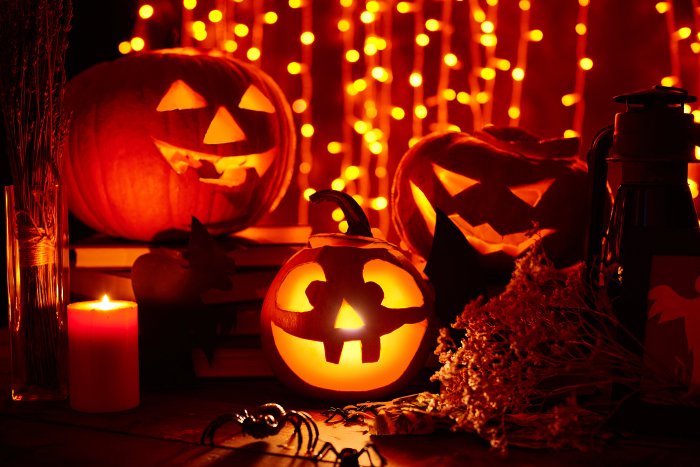
Transforming a simple carved pumpkin into a captivating Halloween spectacle requires creativity and a touch of artistry. Beyond the initial carving, decorating techniques significantly elevate the lantern’s visual appeal, making it a centerpiece for any Halloween display. This process allows for personalization and the expression of unique Halloween aesthetics.The possibilities for embellishment are endless, ranging from classic designs to modern interpretations.
Careful consideration of colors, textures, and patterns is key to achieving a truly impressive final product. This guide delves into various decorating methods and provides inspiration for unique designs, ensuring your Halloween lanterns stand out from the crowd.
Painting Techniques for Lanterns
Careful selection of paints is crucial for achieving the desired aesthetic and ensuring longevity. Acrylic paints are a popular choice due to their vibrant colors, quick drying time, and ease of application. For a more detailed and nuanced look, consider using fine-tip paint markers for outlining intricate designs or adding finishing touches. Using a primer before applying paint helps to ensure even coverage and prevents the paint from chipping or flaking over time.
Adding Embellishments to Enhance Lanterns
Embellishments add depth and visual interest to carved designs. Beads, sequins, glitter, and other decorative elements can be glued onto the lantern’s surface to create captivating patterns and textures. Metallic paints and ribbons can add a touch of glamour, while faux fur or fabric scraps can create a unique and rustic look. These embellishments can be carefully placed to accentuate the carved features or used to create entirely new artistic elements.
Drawing and Pattern Creation on Lanterns
Drawing intricate patterns directly onto the lantern adds another layer of artistic flair. Using stencils can help create consistent and visually appealing designs, while freehand drawing allows for greater creativity and personalized styles. A wide variety of materials can be used, from fine-tip markers to colored pencils. Careful consideration of color combinations and patterns is essential to achieve a balanced and aesthetically pleasing design.
Color Combinations and Texture Variations
Choosing the right color palette is essential for creating a harmonious and visually engaging design. Consider using a color wheel to find complementary and analogous color schemes. For example, a combination of orange and black creates a classic Halloween aesthetic, while a blend of deep purples and greens evokes a mystical atmosphere. Incorporating different textures, such as metallic paints or faux fur, adds visual depth and interest to the lantern.
Combining these elements allows for a wide array of creative expressions.
Unique and Creative Lantern Designs
| Design Category | Description | Visual Inspiration |
|---|---|---|
| Spooky Forest | Incorporating foliage, vines, and shadowy creatures. | Nature-inspired Halloween motifs. |
| Whimsical Characters | Adding playful or fantastical characters to the lantern. | Cartoonish or fairytale elements. |
| Cosmic Halloween | Adding celestial elements such as stars, planets, and nebulae. | Astronomy-inspired artwork. |
These diverse design options provide a framework for developing personalized Halloween lanterns.
Lantern Displays and Arrangements
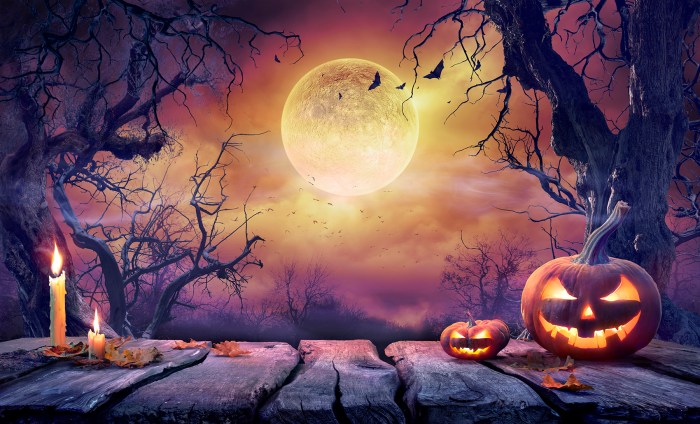
Transforming a simple Halloween lantern into a captivating centerpiece requires careful consideration of display and arrangement. Strategic placement, thematic cohesion, and the interplay of light and shadow are key to maximizing the visual impact of your Halloween lantern displays, whether indoors or out. The goal is to create an immersive experience that evokes the spirit of Halloween while showcasing the artistry of the lanterns themselves.
Creative Display Strategies
Effective lantern displays transcend mere decoration; they become immersive experiences that amplify the Halloween spirit. Employing various arrangements, from simple groupings to intricate compositions, can elevate the overall aesthetic. Consider the scale of the lanterns and the space they occupy. Smaller lanterns can be clustered together for a dense, evocative feel, while larger, more ornate pieces can command attention as individual focal points.
Outdoor Lantern Displays
Outdoor displays offer a unique opportunity to showcase the artistry of Halloween lanterns. To create a captivating outdoor display, choose a location with ample space and ample light. A well-lit pathway or a corner of the yard can be transformed into a spooky spectacle. Consider using varying heights and sizes of lanterns to create visual interest. String lights or lanterns with LED illumination provide ambient lighting that amplifies the overall effect.
Indoor Lantern Displays
Indoor displays provide a more intimate and controlled environment for showcasing Halloween lanterns. Utilize the architectural features of your home to enhance the displays. A staircase, mantelpiece, or windowsill can be transformed into a mesmerizing display. Smaller, intricately detailed lanterns can be grouped on a table or shelf, adding a touch of whimsy. Incorporate candles or battery-operated fairy lights for a soft, ethereal ambiance.
Themed Lantern Displays
Thematic displays provide a framework for cohesiveness and visual interest. A “Haunted Forest” theme, for instance, might involve lanterns depicting trees, animals, and eerie figures, arranged in a winding path or around a central point. A “Spooky Mansion” theme could utilize various sizes and styles of lanterns to create a sense of scale and depth, with lanterns arranged to mimic a building’s structure.
Impact of Lighting and Ambiance
Lighting is crucial in setting the desired mood. Warm, soft lighting, like fairy lights or candles, evokes a sense of mystery and wonder. Strategic use of spotlights can highlight specific lanterns, creating focal points. Consider the interplay of light and shadow, which can add a touch of drama and intrigue. The color palette of the lanterns, combined with the ambient lighting, should work in harmony to create a unified aesthetic.
Examples of Themed Displays
| Theme | Location | Aesthetic |
|---|---|---|
| Haunted Forest | Outdoor pathway | Lanterns shaped as trees, animals, and spirits, with soft string lights to mimic a forest’s atmosphere. |
| Spooky Mansion | Indoor entryway | Varying sizes and styles of lanterns arranged to create the illusion of a grand building, with spotlights highlighting specific lanterns. |
| Witches’ Brew | Indoor table | Lanterns depicting cauldrons, ingredients, and mystical symbols, with candles to create a warm and mysterious atmosphere. |
| Night of the Dead | Outdoor front yard | Lanterns shaped as skulls, ghosts, and other symbols of the Day of the Dead, with black and purple lights to create a dramatic effect. |
Lantern Designs for Different Themes
Transforming simple lanterns into evocative expressions of Halloween spirit requires careful consideration of the theme. This involves more than just choosing colors; it demands crafting designs that truly embody the essence of the chosen motif. From the eerie allure of haunted houses to the mystical charm of fantasy creatures, lantern design can powerfully communicate the intended atmosphere.A successful design transcends mere aesthetics; it creates an immersive experience, drawing the viewer into the chosen theme.
This is achieved through careful attention to detail, symbolic imagery, and a mindful understanding of the intended audience and environment. This guide provides detailed design considerations for various Halloween themes, empowering crafters to translate their vision into tangible, impactful creations.
Haunted House Lanterns
Haunted house designs often feature intricate details representing decay and gloom. This could involve using dark, muted colors like deep purples, grays, and blacks. Depicting crumbling walls, flickering candlelight, and shadowy figures can evoke a sense of foreboding. Employing negative space and strategic lighting will enhance the perceived depth and mystery.
“A well-designed haunted house lantern can be a focal point, creating a palpable sense of unease.”
For instance, a lantern designed as a decaying manor might use aged-looking paper or cardboard to represent the crumbling structure. Intricate cutouts or paper mache can portray windows and doorways. Inside, flickering LED candles or strategically placed light sources can highlight the shadows.
Spooky Forest Lanterns
Spooky forest lanterns should evoke the mystery and danger of the deep woods. Using greens, browns, and deep purples in varied shades will achieve this effect. Incorporate elements of the forest like trees, vines, and creeping plants to enhance the theme. Consider adding translucent materials to depict the dappled sunlight filtering through the canopy.
“Spooky forest lanterns should hint at lurking dangers, while also showcasing the beauty of the environment.”
For example, a lantern shaped like a gnarled tree might incorporate branches and leaves made from brown and green construction paper. Use translucent materials, such as vellum or frosted plastic, to simulate moonlight filtering through the trees. Small, strategically placed LED lights within the lantern can emphasize the mysterious depths of the forest.
Fantasy Creature Lanterns
Fantasy creature lanterns offer a broad spectrum of possibilities. The design should reflect the specific creature chosen, whether a dragon, a mythical beast, or a unique invention. Color palettes can vary greatly, from vibrant hues for dragons to muted tones for ethereal creatures. Detailed sculpting and careful use of materials are essential to bring the creature to life.
“Fantasy creature lanterns provide an opportunity to showcase creativity and imagination.”
For example, a dragon lantern could be constructed from cardboard or foam, with detailed scales and wings sculpted from paper or clay. Use bright colors for the scales and fire-like accents to highlight the creature’s power. A more ethereal creature might utilize flowing fabrics or translucent materials to convey its otherworldly nature. Lighting should enhance the creature’s unique features and enhance the atmosphere.
Adjusting Designs for Audience and Environment
The intended audience and environment greatly influence design choices. For younger audiences, designs should be more simplistic and child-friendly. Bright colors and easily recognizable shapes are more effective. For an outdoor display, the lantern should be weather-resistant and durable to withstand the elements.For instance, a haunted house lantern for a Halloween party in a residential neighborhood should prioritize safety and visual appeal for children.
The design could incorporate friendly but spooky elements, like a smiling but slightly decaying house. For a public display in a park, the lantern should be made of weatherproof materials, such as treated wood or durable plastic.
Cost-Effective Ways to Make Halloween Lanterns
Transforming ordinary materials into captivating Halloween lanterns doesn’t necessitate a hefty budget. Clever repurposing and creative design can yield impressive results, ensuring a spooky spectacle without breaking the bank. This approach aligns with the growing trend of eco-conscious crafting, reducing waste and promoting sustainability.This section explores resourceful methods for creating stunning Halloween lanterns using affordable and readily available materials.
The focus is on maximizing creativity with minimal expenditure, making the crafting process enjoyable and environmentally friendly.
Cost-Effective Materials for Lantern Construction
Using readily available, recycled, or inexpensive materials significantly reduces the cost of creating Halloween lanterns. This approach not only saves money but also contributes to environmental sustainability. Transforming discarded items into artistic expressions can be highly rewarding.
| Material Category | Examples | Creative Application |
|---|---|---|
| Recycled Cardboard/Paper | Cardboard boxes, paper bags, old newspapers, magazines | Constructing intricate shapes, creating layered structures, or covering existing lantern frames for a unique aesthetic. |
| Plastic Bottles/Containers | Plastic milk jugs, soda bottles, yogurt containers | Cutting and shaping plastic into ghostly figures, decorating with paint or markers, or creating intricate lantern designs by layering and connecting different bottle segments. |
| Natural Elements | Dried leaves, twigs, gourds, pinecones | Creating rustic or nature-inspired lanterns. Combining natural elements with recycled materials can create a unique aesthetic. |
| Found Objects | Wooden crates, old tins, jars | Transforming into themed lanterns. For instance, an old wooden crate could be repurposed into a haunted-house-inspired lantern. |
Budget-Friendly Lantern Designs
Clever design choices are essential for crafting impressive Halloween lanterns without breaking the bank. Simple designs can be just as impactful as intricate ones, emphasizing creativity and resourcefulness.
- Simple Silhouette Lanterns: Using cardboard or paper, cut out simple Halloween shapes like ghosts, pumpkins, or bats. These can be easily assembled and decorated, and offer a high level of customization with minimal cost.
- Bottle Cap Lanterns: Using plastic bottles or jars as the base, decorate them with painted bottle caps. This creates a fun, textured look and is incredibly budget-friendly, requiring minimal materials.
- Paper Mache Lanterns: Combining paper mache with recycled materials and a simple frame can create unique, textured designs that are both visually appealing and cost-effective.
Creative Ideas for Recycled Materials
Repurposing everyday items into Halloween lanterns is a cost-effective approach that aligns with environmental sustainability.
- Newspaper Ghosts: Constructing ghosts using layered newspaper provides a unique texture and aesthetic, while significantly reducing waste.
- Plastic Bottle Pumpkins: Cutting and shaping plastic bottles into pumpkin shapes, decorating with paint and markers, creates a budget-friendly and visually engaging design.
- Jar Jack-o’-Lanterns: Using old jars or containers, adding a face with paint or markers can transform them into inexpensive and creative jack-o’-lanterns.
Sustainability in Lantern Making
Halloween lanterns, a beloved tradition, often involve materials and practices that can have an environmental impact. Consumers are increasingly conscious of their environmental footprint, demanding more sustainable choices. This trend necessitates exploring eco-friendly alternatives in lantern making.Integrating sustainable practices into lantern crafting not only reduces environmental harm but also demonstrates a commitment to responsible consumption. This approach can also be a competitive advantage for artisans and businesses, appealing to environmentally conscious consumers.
Environmentally Friendly Materials
Sustainable lantern making necessitates a shift from traditional materials to those with lower environmental footprints. The choice of materials directly influences the overall environmental impact. Materials like recycled cardboard, reclaimed wood, and repurposed containers are key to this transformation.
- Recycled Cardboard: Cardboard, a readily available and recyclable material, offers a cost-effective and environmentally friendly alternative to traditional materials. Its inherent durability makes it suitable for various lantern designs. Further, the use of recycled cardboard reduces the demand for virgin materials, thus lowering the carbon footprint.
- Reclaimed Wood: Using reclaimed wood, salvaged from old structures or furniture, offers a unique aesthetic and reduces deforestation. The wood, already in existence, minimizes the need for harvesting new trees, promoting responsible resource management.
- Repurposed Containers: Employing repurposed containers like old tins, jars, or buckets, creatively transforms discarded items into stunning lanterns. This practice significantly reduces waste and encourages a circular economy.
Sustainable Lantern Designs
Innovative lantern designs can effectively integrate sustainable materials and practices. These designs not only reflect environmental consciousness but also inspire creativity and artistry.
| Design | Material | Impact |
|---|---|---|
| Paper Lantern with Recycled Cardboard | Recycled cardboard | Reduces deforestation and dependence on virgin materials. |
| Jar Lantern with Repurposed Glass Jars | Repurposed glass jars | Reduces waste and promotes the circular economy by repurposing discarded items. |
| Reclaimed Wood Lantern Frame with Fabric | Reclaimed wood, fabric | Reduces deforestation, while using fabric reduces the demand for new textile production. |
| Upcycled Tin Can Lanterns | Repurposed metal tins | Reduces waste and minimizes reliance on new materials. |
Comparing and Contrasting Sustainable Materials
The environmental impact of materials varies. Recycled cardboard, for instance, typically has a lower carbon footprint compared to using virgin wood. Similarly, repurposed containers, such as glass jars, reduce the demand for new manufacturing processes.
Conclusion
In conclusion, crafting Halloween lanterns is a rewarding journey, offering a unique blend of creativity, tradition, and artistry. This comprehensive guide has illuminated the diverse facets of lantern-making, from historical context to contemporary design trends, offering a wealth of practical knowledge for anyone interested in bringing these captivating creations to life. By exploring sustainable practices and cost-effective alternatives, this guide also encourages a mindful approach to lantern-making.
